
We all wish we could just eat whatever we want and lose weight. Part of why the Intuitive Eating movement has picked up steam is that it has been mislabeled as a weight loss tool when in fact it is a psychological tool to help those who are trying to recover from maladaptive behaviors around food. We feel like eating is a natural process and therefore should be regulated by intuition rather than cognition. But feelings aren’t facts.
“Obese individuals typically underestimate their calorie intake by 40%−50% when consuming a diet of conventional foods”- Look AHEAD study 2006
In an obesegenic environment such as exists today it is nearly impossible for us to determine our caloric needs based on food volume or hunger signaling. Food today tends to by hyperpalatable and nutrient poor meaning we are getting a lot of calories for very little “food”. These two confounding factors short circuit our brain’s ability to regulate hunger and satiety which means any intuition we may have is being sabotaged by the signaling we receive from modern foods.
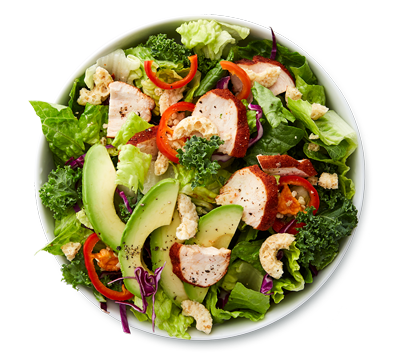
So what do we do? Well, first we should probably be making the majority of our meals consist of whole foods that are nutrient dense and high volume. These choices will automatically give us a higher feeling of satiety and dampen hunger cues better than more palatable foods. Second, we will likely need to add some sort of cognitive oversight, at least initially. This could be in the form of calories or macros or even using a palm measuring system to estimate portion size. Alongside these methods we should be focused on educating ourselves on the makeup of foods that we eat on a regular basis to develop a general understanding of what we are consuming. This awareness and education can help us to create better habits long term.
So, while I am a huge proponent of clients becoming adept at utilizing emotional regulation and recognizing physical cues to hunger, many of us are just not equipped to utilize those strategies on our own. A cognitive approach is therefore a necessary part of any fat loss protocol, at least in part. As with anything else, we should avoid a myopic view that it can take the place of physical cues and emotional regulation but when the three are utilized as a whole we can see great success in both fat loss and weight management over the long term. Mind, body, spirit.