I’ve got a little saying,
“I’ve never had a fat loss client come to me who is eating too much protein and not enough fats and carbs (and I’m pretty sure I never will).”
Protein is the “building block” of muscle. It is absolutely crucial that we get enough in during a fat loss phase in order to preserve as much muscle as possible. How much is “enough”? Well, I want to see 1 gram per pound of bodyweight. The literature is pretty clear that individuals engaged in physical activity will do best at these levels. There also doesn’t look to be a detriment to higher protein intakes so it’s a win-win.
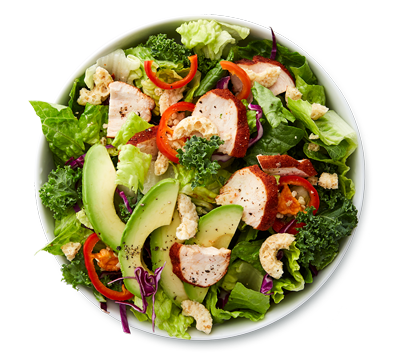
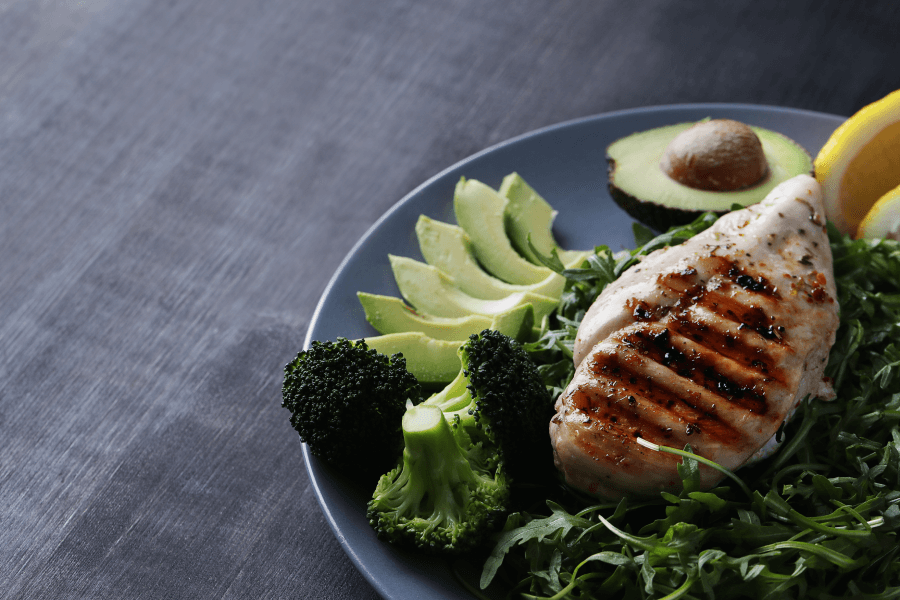
Protein can also help improve dietary adherence. Satiety from protein is high which means that by eating meals high in lean protein you will stay fuller longer. Combined with high volume foods like green vegetables low calorie meals can go much further.
Protein also has a high thermic effect meaning that the energy required for digestion is often higher than in other foods. It’s estimated that 20-30% of calories from protein are utilized in digestion vs numbers as low as 3% for fat. That’s a huge difference.
A big complaint I hear is that it is difficult to eat that much protein. While we can usually address this with strategic means, it’s also a good thing. I’d rather my clients feel full with a substance that builds muscle than feel hungry eating calorically dense fats and carbs. If you want a different result, you might need a different approach.
Carbs and fats are necessary for a balanced diet* but protein is king. Prioritize protein intake and the rest of your diet will be much easier to structure. Be a meathead. It’s okay to just say “more protein”.
*I know carbs aren’t physiologically necessary but they are pretty damned psychologically necessary so I’m goin with it.