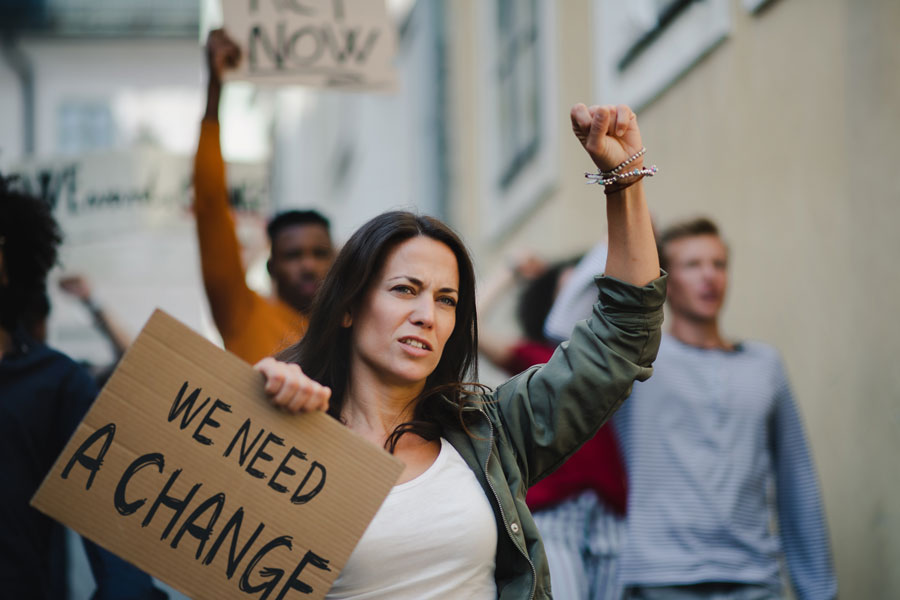
Why do we resist change? What are we fighting against?
From a biological standpoint, our bodies crave homeostasis. We like things to just stay the same. There’s not any evidence that this extends to our psychological state (that I’m aware of) but my observations of thousands of clients over my career trends in that direction.
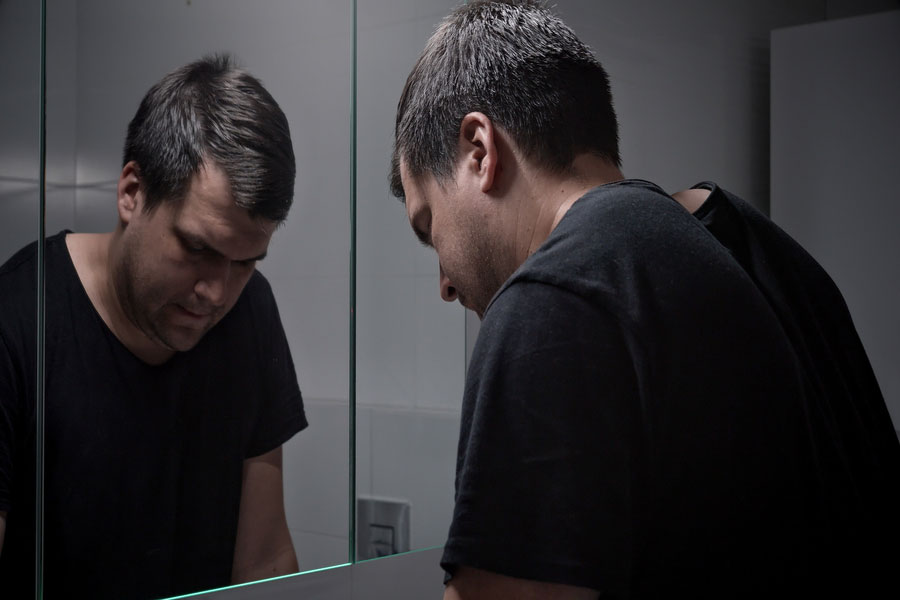
Status quo is comfort. Change can be disarming. Look to financial markets. They might not look for specific political outcomes but thrive under political stability. The same can be said for our psyche. We might not feel good about our current situation but change is uncertain and scary. “We act when the pain of staying the same is greater than that of change.”
When I am asked by a client why they are so resistant I don’t have an answer. I’m not all that concerned with why. That’s a question for a priest or a therapist. My job is to help with effect not to reveal new causes. So I want to focus on what we can do and how we can do it.
One way to ensure that we never beat our resistance to change is to meet it with equal resistance. We can’t just attempt to bulldoze our resistance with brute force. I like to borrow a concept from jiujitsu wherein there is a limited amount of force between two combatants and they can each only utilize a fraction of that force. Instead of trying to up the horsepower, a smart combatant will instead allow the opponent’s action to follow through. It’s Newtonian at its core. The bullfighter’s dance.
So instead of fighting your resistance to change, try allowing that resistance to be. Look at your resistance as any other feeling, without judgement. For it is likely a protective measure to help you avoid pain. Instead of fighting the resistance, lean into the discomfort of change. It might sting, but it might also beget action. And action is what we want, if we want it. If not, there is no shame in staying the same.