The role of emotion

May 7, 2020
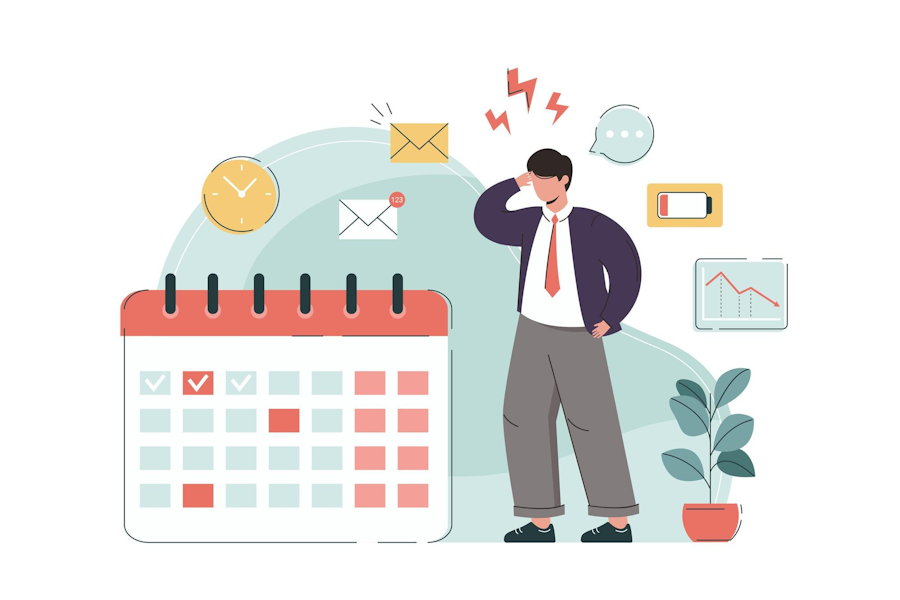
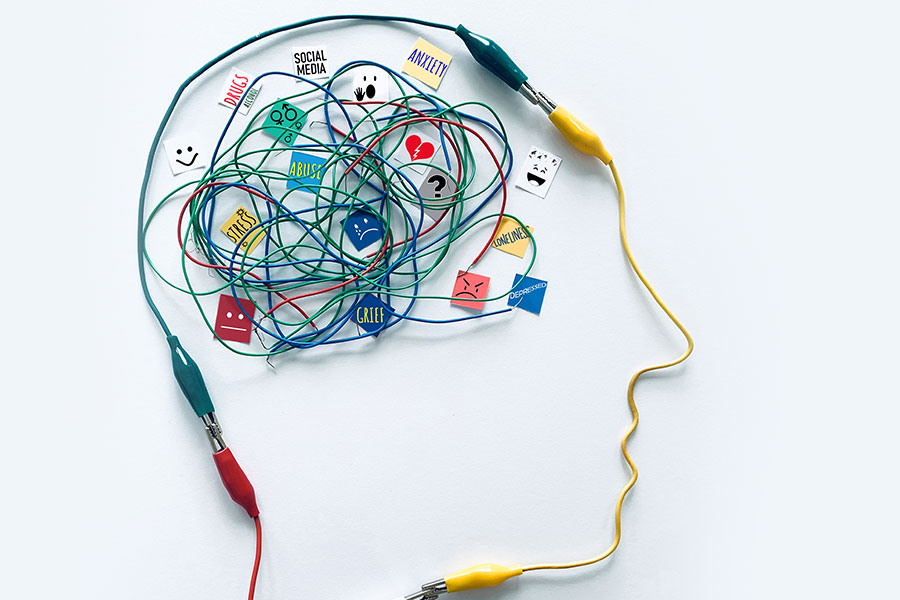
This time on Earth can feel like an emotional rollercoaster. One minute we are climbing the steepest hill and the next we are upside down trying not to throw up. It can feel maddening. Understanding our emotions can help us to manage.

Our emotions play a role. We need them. They have developed biologically and environmentally and can protect and warn us. They can motivate action and help us to do things quickly, when there isn’t time to think. Clearly, this can be a positive or a negative depending on context.

They also help us to establish our feelings to others. Whether it be through facial expression or tone, our emotions are physical in manifestation and assist in how we influence our environment and other people.

Most importantly, emotions can influence our behaviors. They act as intuition, guiding us when something “feels off”. The big red flag here is that we can often mistake physical feelings for emotion or vice versa.

Before we can truly begin to understand emotion, and ultimately regulate them, we must acknowledge the role they play. Fear or anger helping to drive us into that sympathetic nervous response is meant to protect. Happiness or sadness is meant to connect. Every emotion has a biological reason for being. The better we understand that, the closer we are to regulating those same emotions.

Author

Jeb Johnston

Share this post:

Related Posts

    Mar 30, 2023
    There's nothing wrong with wanting to lose weight. But if your diet is just another attempt at controlling a world that's beyond your control, it's unlikely to last.
    Feb 13, 2023
    While we want to approach health changes in a manner that is achievable, it’s important to understand what it looks like long term. We want walking, some cardio, and resistance training to all be a included in our normal lives in addition to healthful eating & emotional regulation.
    Jan 26, 2023
    Self Determination Theory, the predominant application of motivational psychology, states that 3 things are required for motivation to move from external to internal: competency, autonomy, and relatedness.

    Ready to Break Free from Diets, Numbers, and Negative Self-Talk?

    At Food on the Mind, we help you leave behind restrictive diets, harmful habits, and self-doubt. Sign up to our personalized 1:1 coaching and together, let’s develop skills to rebuild your relationship with food, your body, and your mind. This is more than a program — it’s a blueprint for lasting transformation. Together, we’ll build the most empowered version of you.